
English
A street full of history
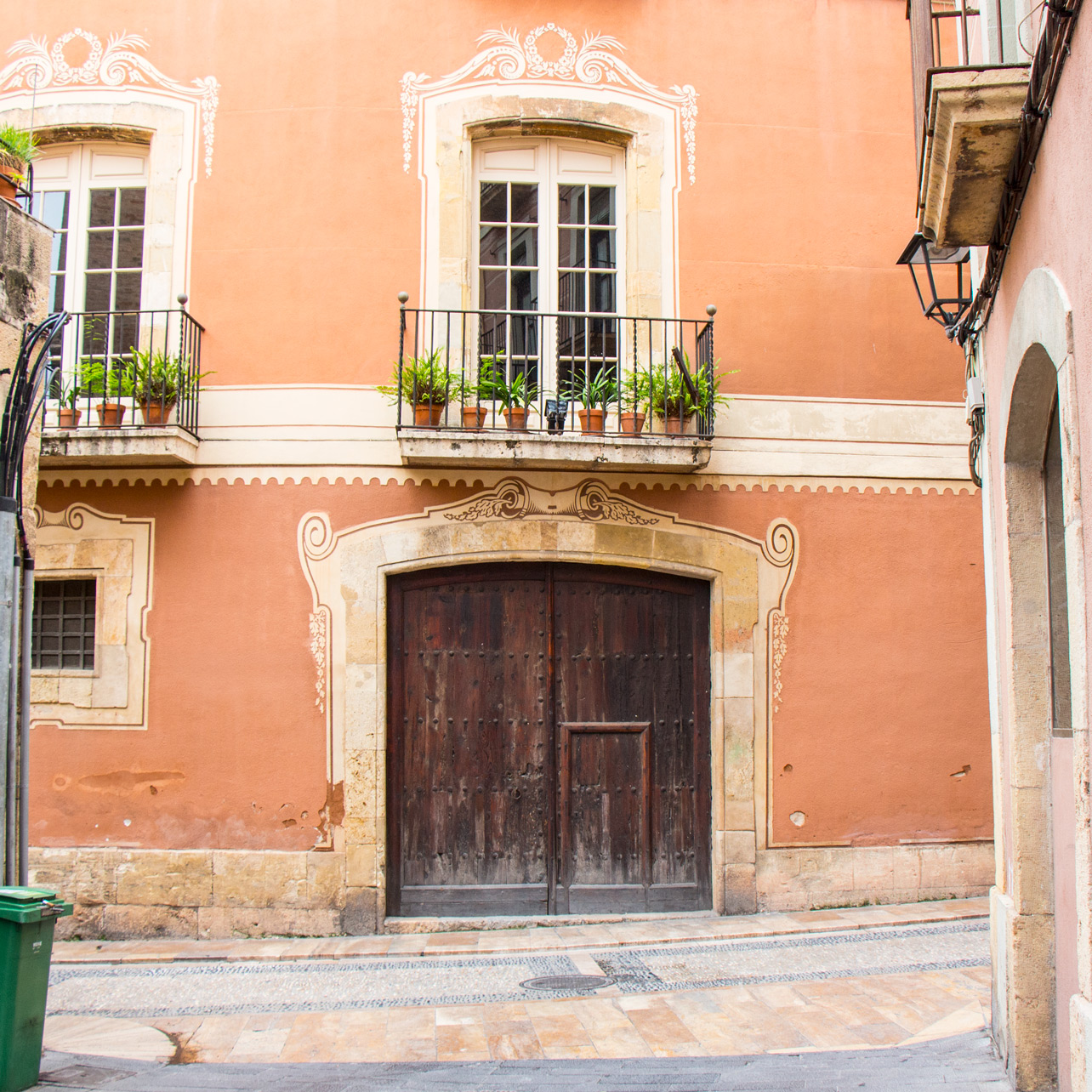
Carrer Comte is recorded in documents that date back to the 15th century. The street was the site of the architect Gaietà Buïgas i Monravà’s ancestral home (number 9). Another architect, Pau Montguió, was born in the house whose entrance is on the Plaça del Pallol (numbers 2 and 4). Josep Maria Jujol, assistant to Gaudí and an important architect in his own right, married into the Gibert family, who lived at Ca l’Abadessa (numbers 11 and 11 bis). In the 15th-century, the sculptor Pere Joan, whose work includes the Gothic reredos of the main altar in Tarragona Cathedral, lived at number 28.
The cracks
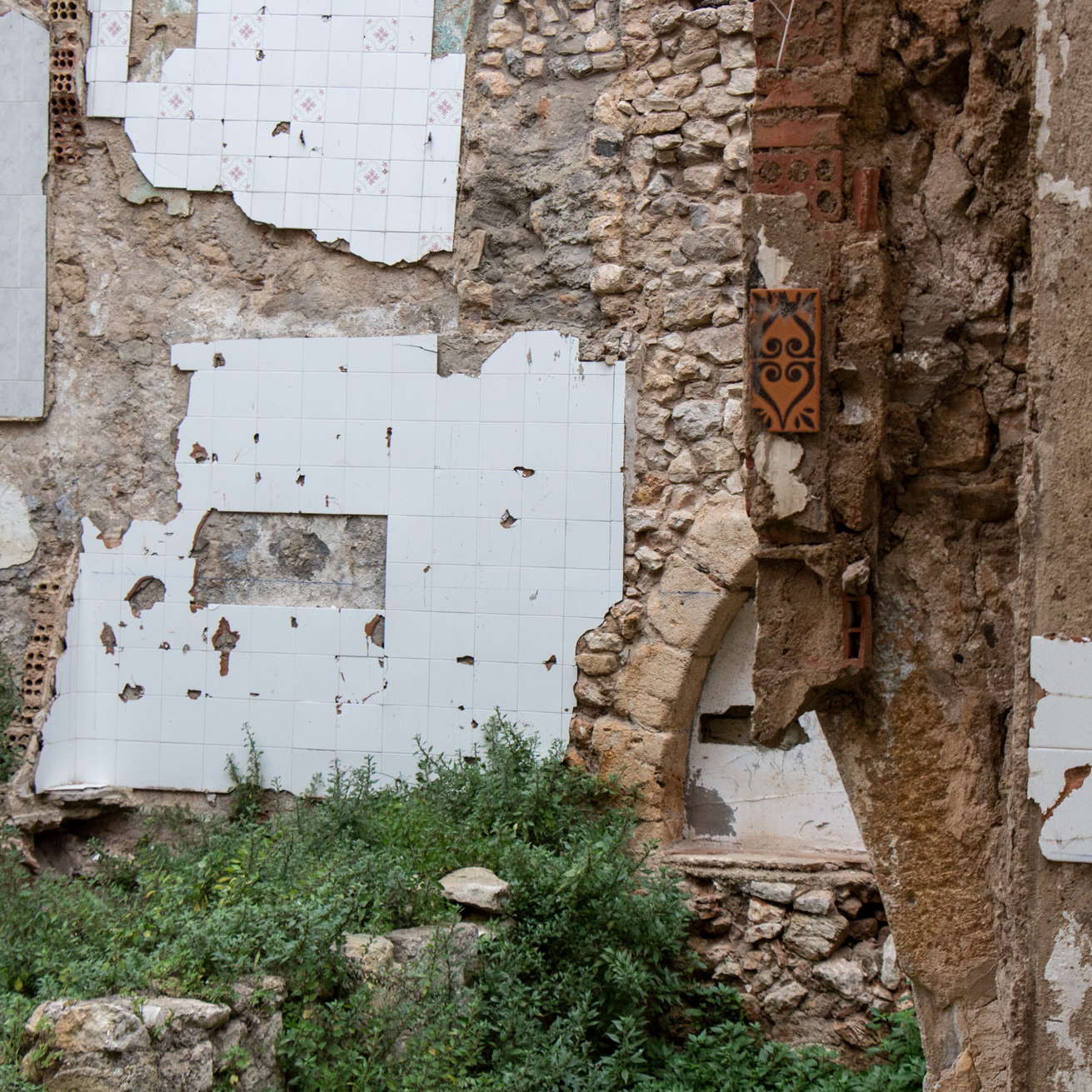
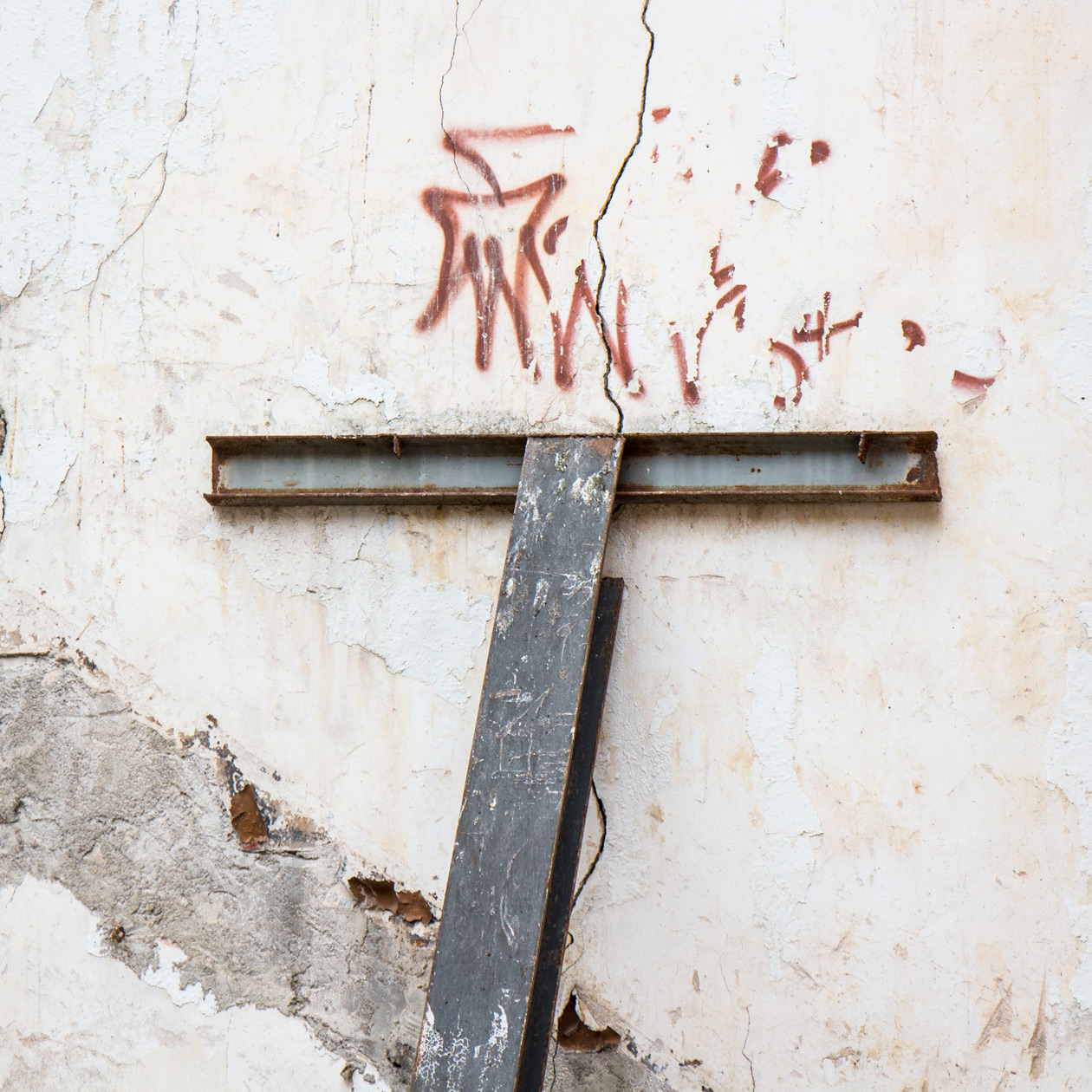
On 3 February 2005, 35 residents of the Carrer Comte and the Plaça del Pallol had to move out of their homes when cracks appeared in their walls: these were caused by subsidence, which in turn was due to leaking sewer pipes. It was two months before the first group of residents were able to return; others had to wait six months. The residents affected formed an association to hold the authorities to account and claim compensation.

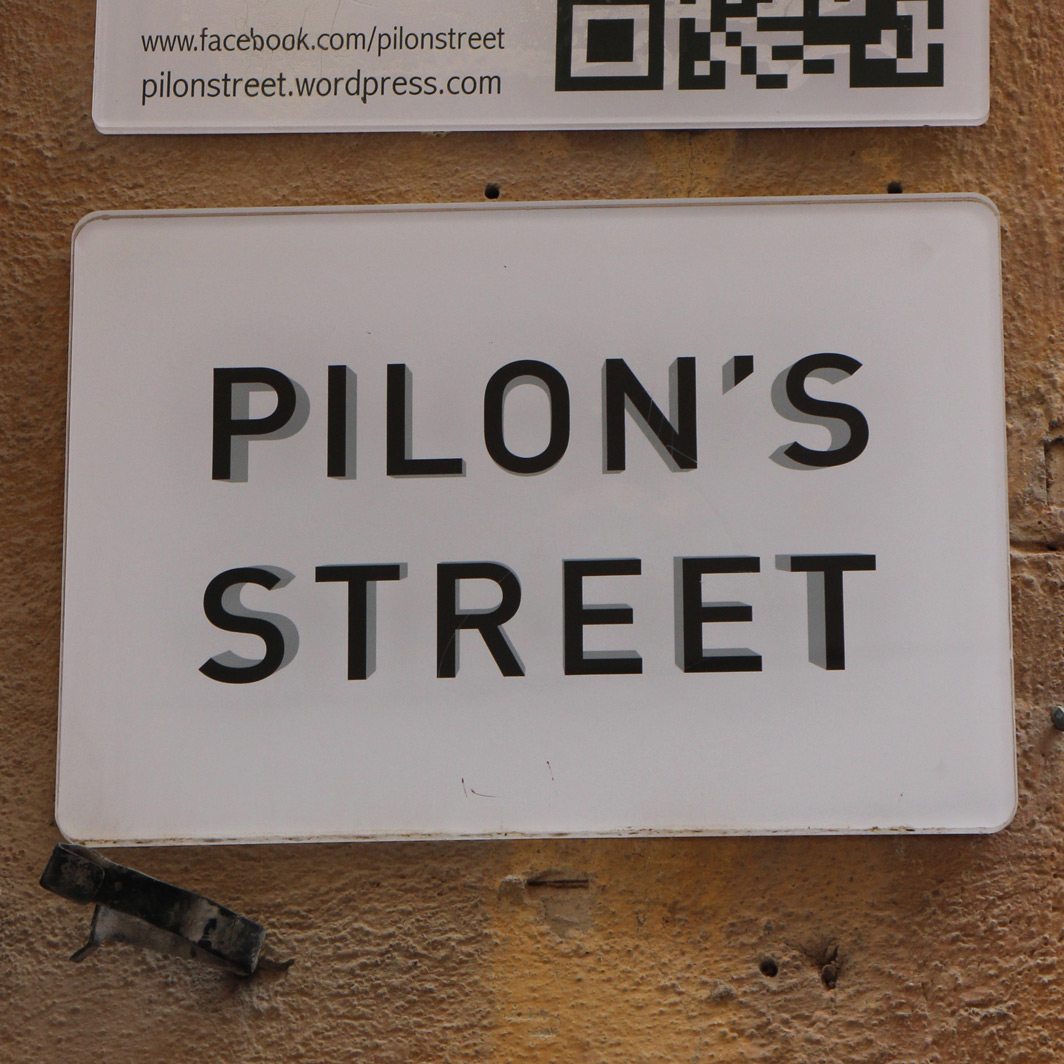
Pilon’s street
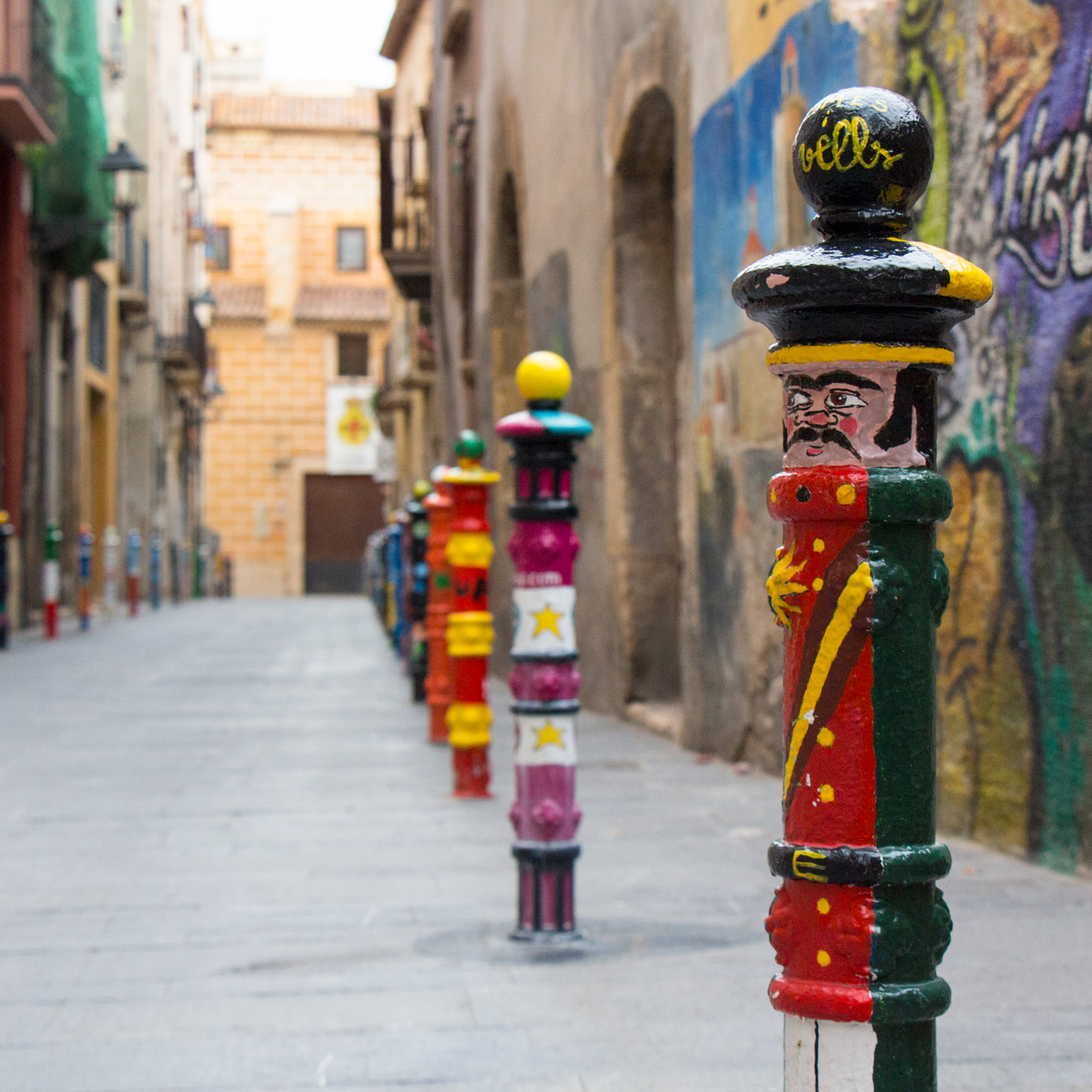
Once the issue of the cracks had been resolved – after protracted negotiations with the city council – normality returned to the street. However, many residents were in the habit of parking their cars on it, which blocked access for emergency vehicles. A fire in one of the houses highlighted the need to prevent on-street parking. The council decided to install traffic bollards – pilons, in Catalan.
The residents considered the number of bollards installed to be over the top; they also thought the original colour (grey) was drab. This was when they began to discuss painting them and rechristening the street “Pilons’ Street”.
San Agapito Bis
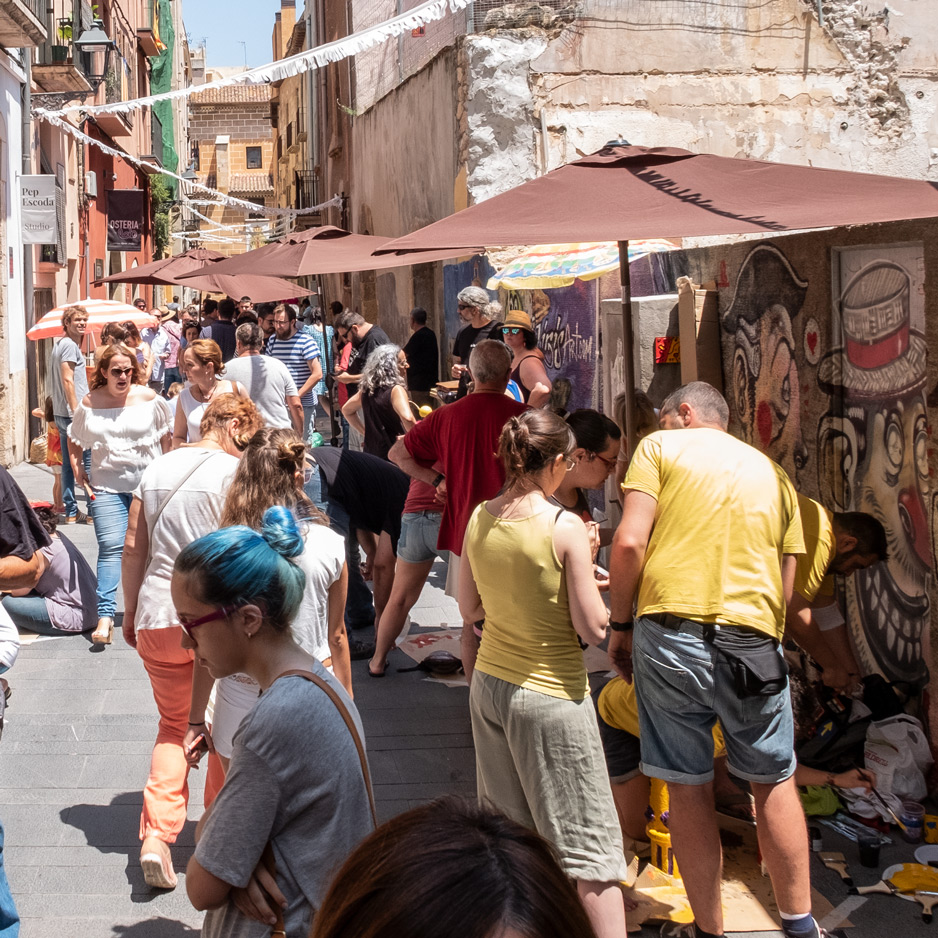
The residents, who had become a close-knit group after their problems with subsidence, threw a party to celebrate the end of the episode that had caused them so much trouble, and invented a new patron saint for the street: Sant Agapito Bis (2006). His feast day is celebrated on the first Saturday in July, and the main event is the International Pilons Parade.
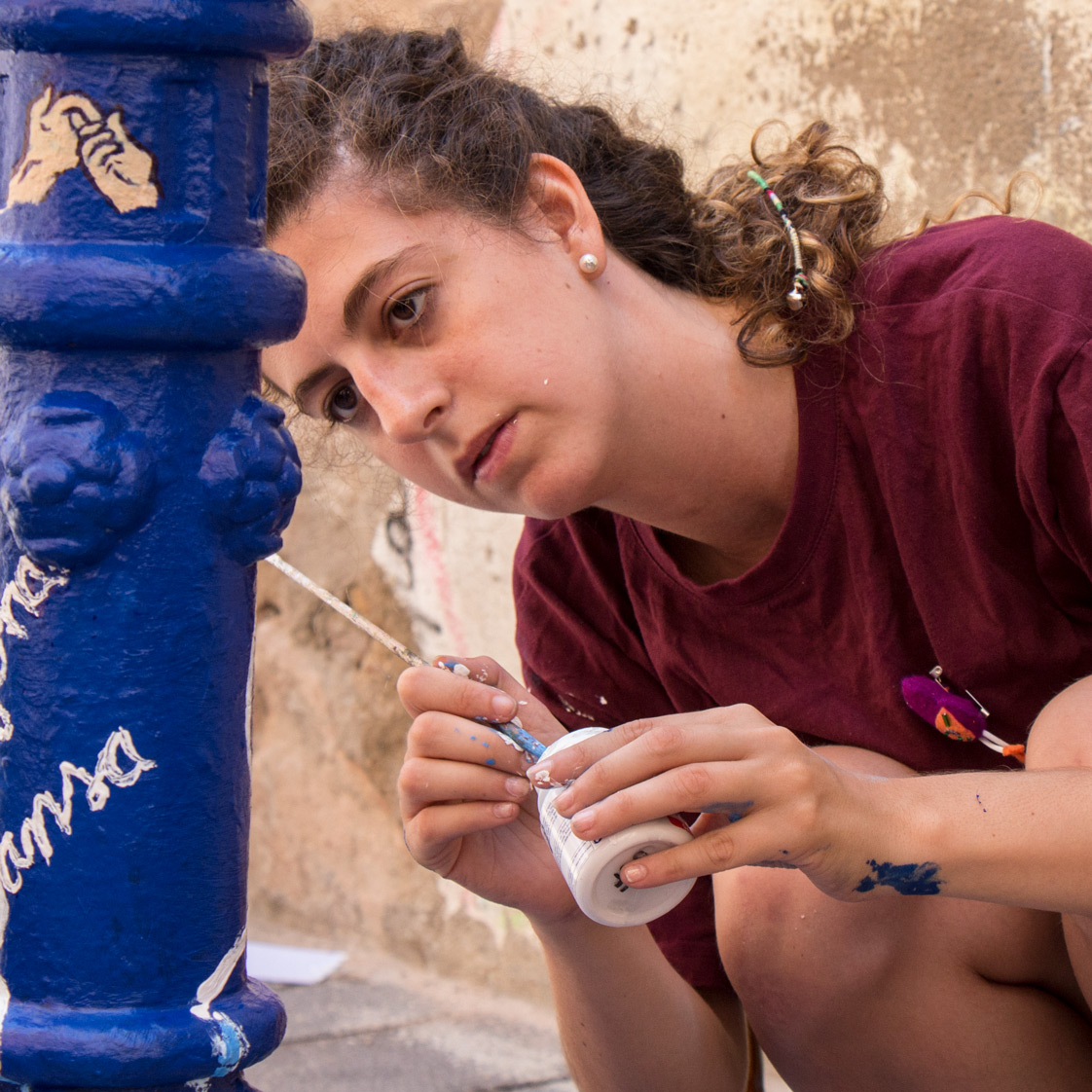
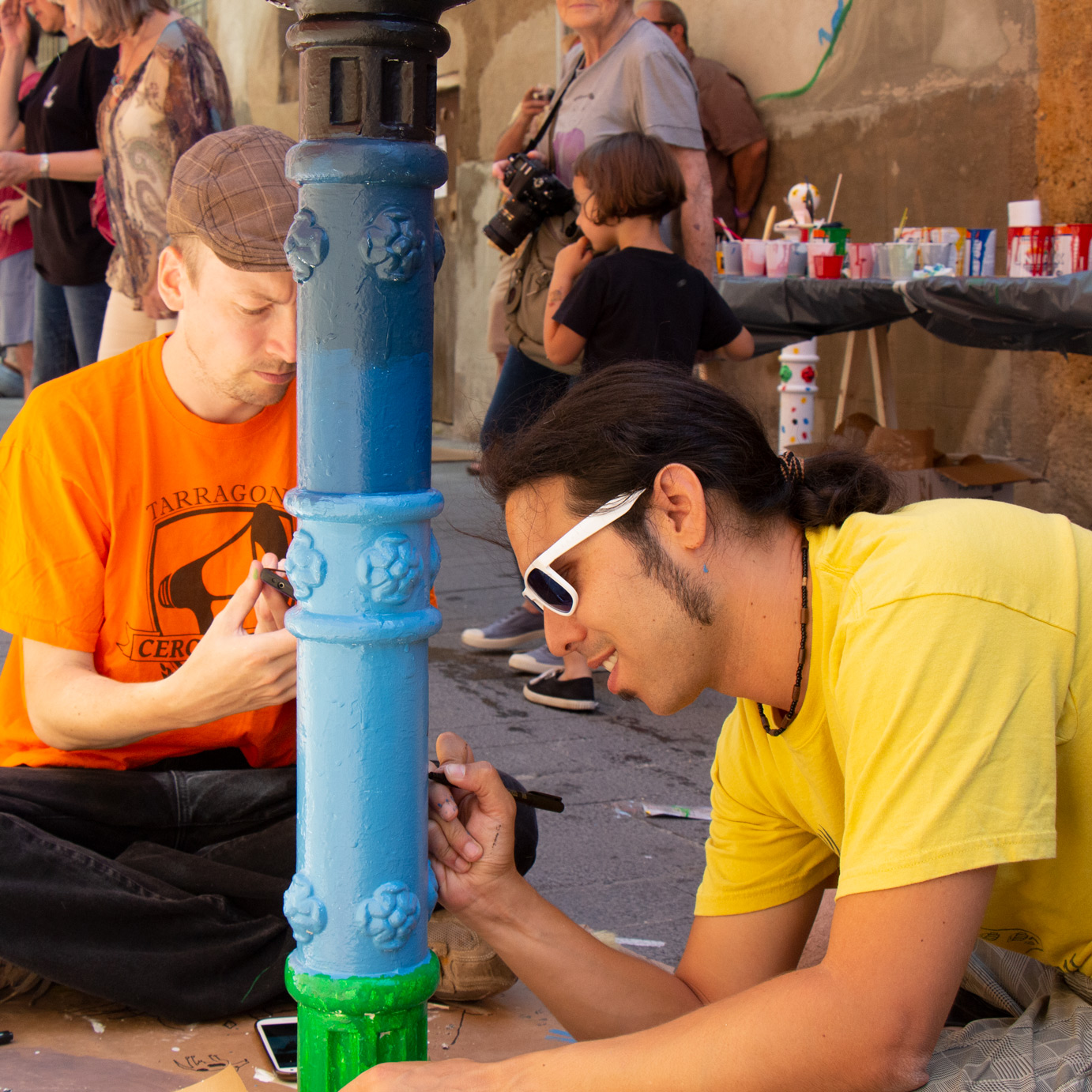
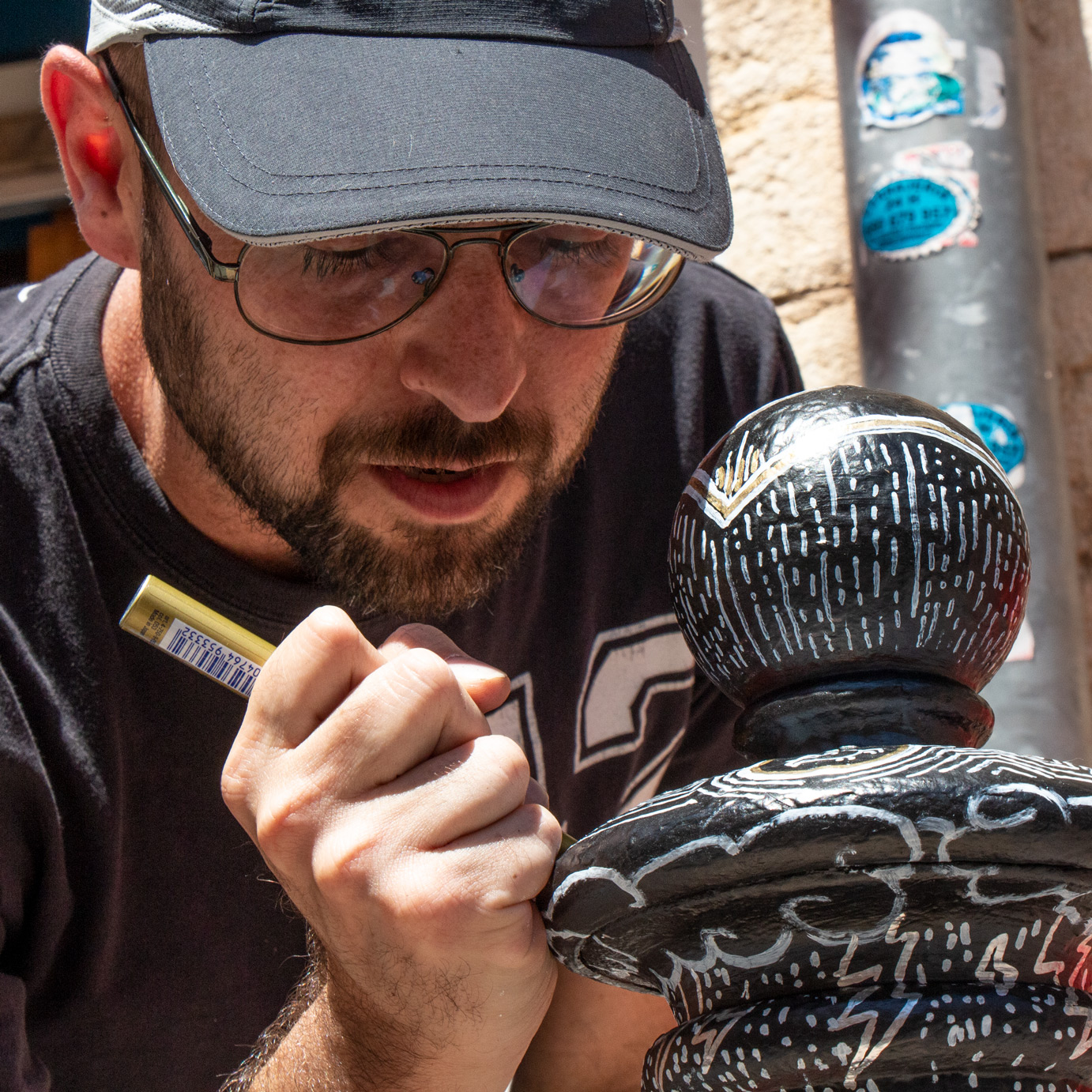
The International Pilons Parade
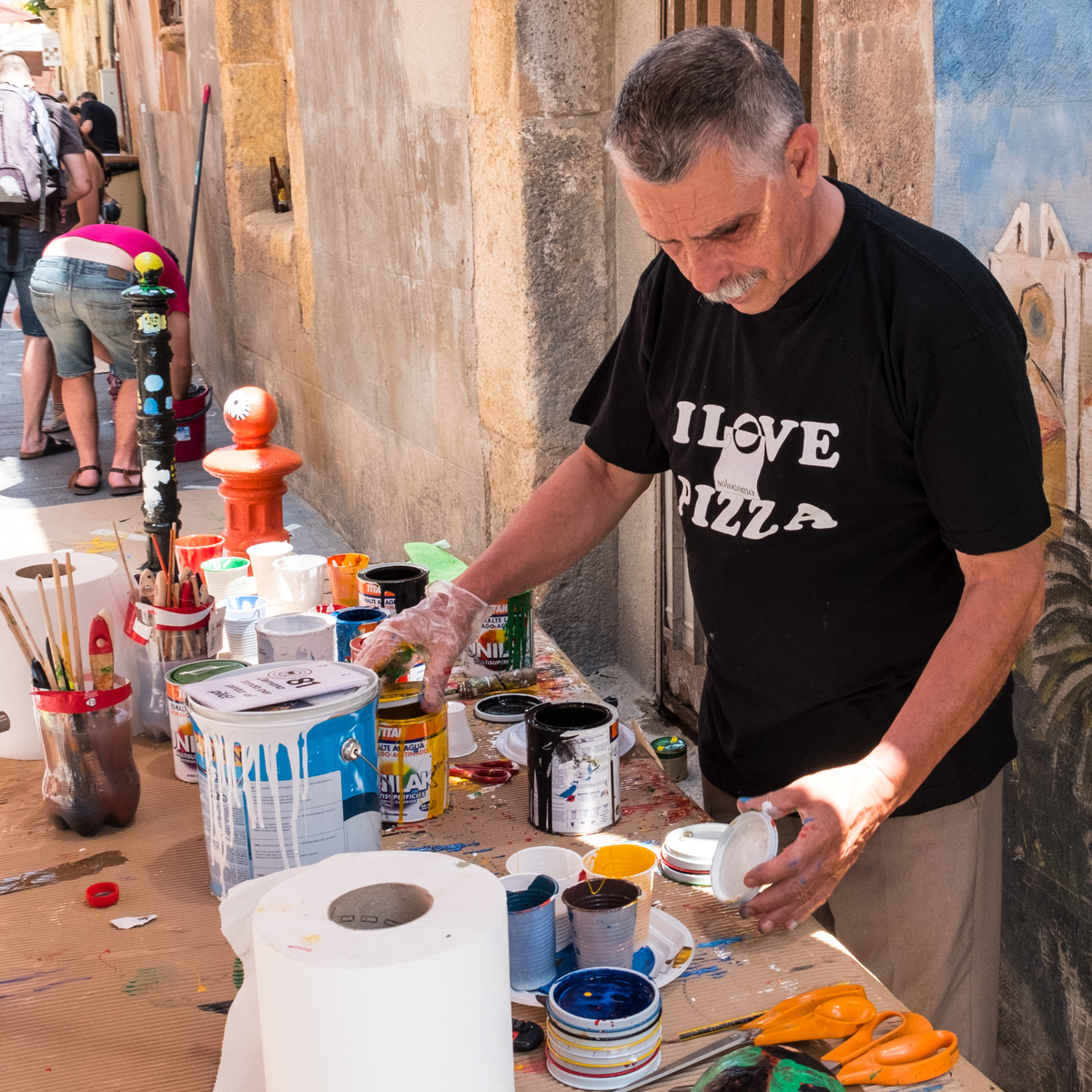
At this annual event, local residents, artists and people from all over the city paint bollards allocated to them by the organisation. In recent years, they have also established the tradition of the Piló Convidat, the “guest bollard,” which is painted by one of the city’s associations to celebrate an important anniversary.
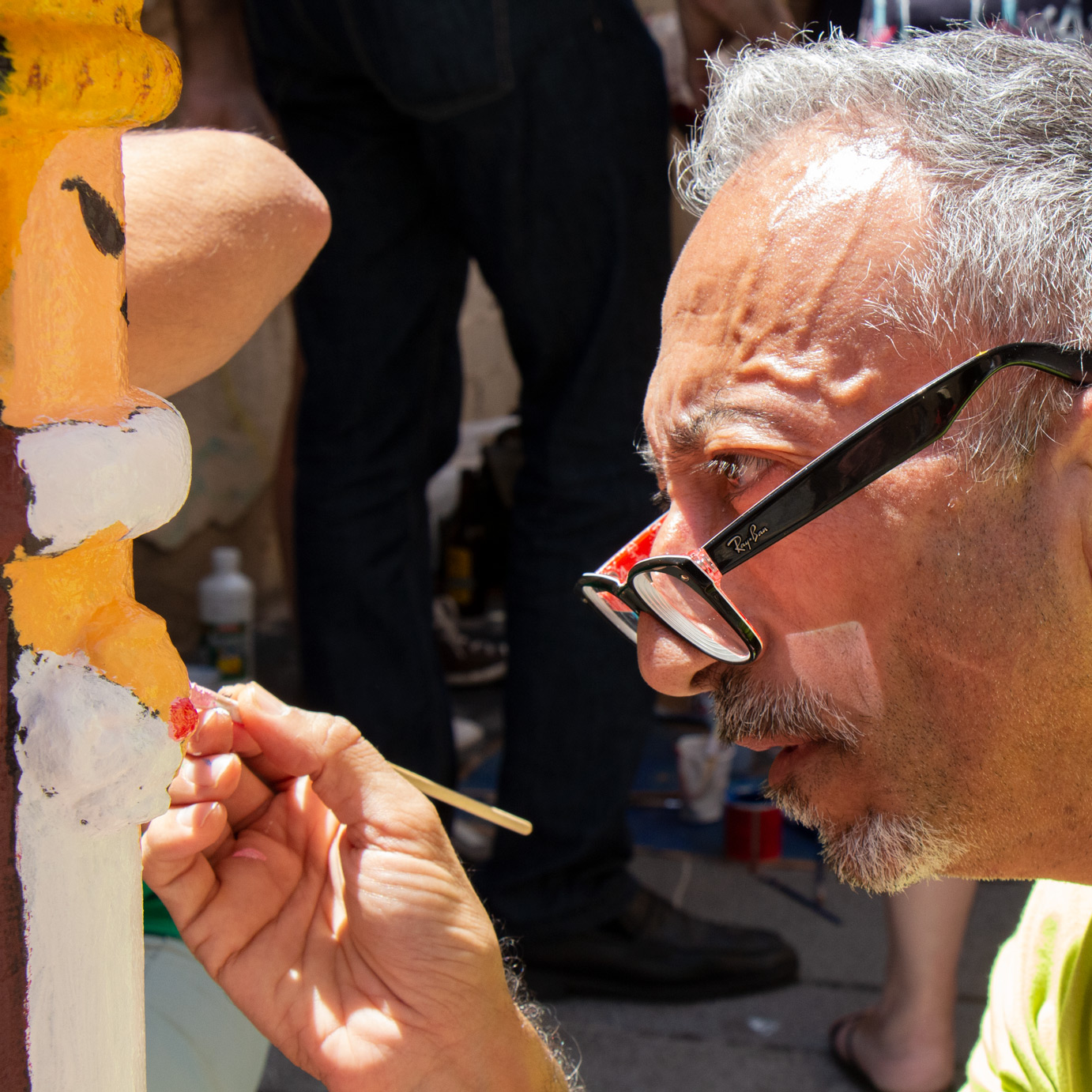

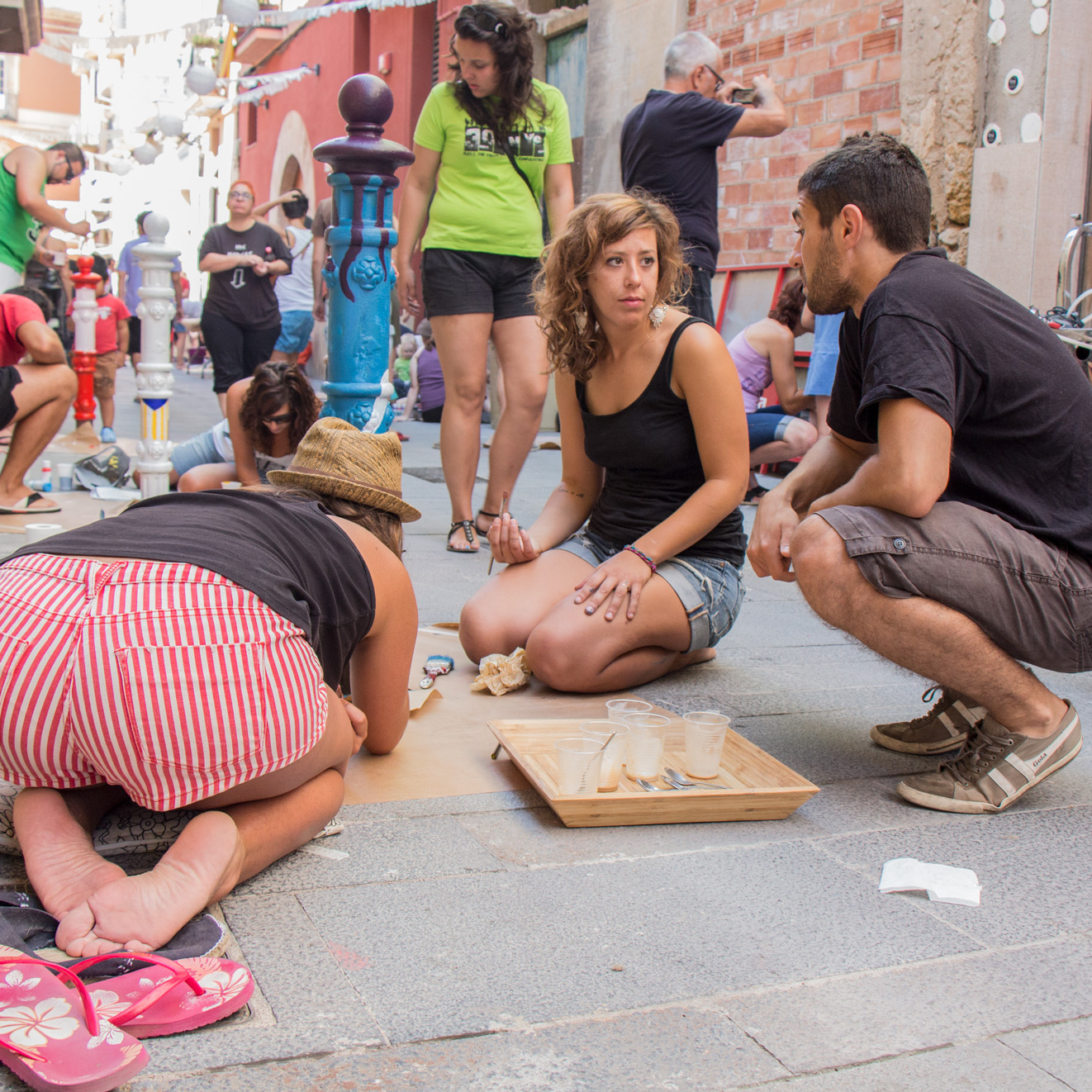
 Pilon's Street